The Ultimate Guide to Essential Hillwalking Equipment in the UK
Whether you're a seasoned hiker or a beginner, having the right equipment in your rucksack is crucial for safety, comfort, and enjoyment. This guide will walk you through the vital hillwalking equipment you must carry for your next mountain adventure.
Appropriate Clothing
You don't have to spend a large amount of money on expensive brands to find good hill walking gear but, making sure you have appropriate layers for a day in the mountains is essential.
- Waterproof Jacket & Trousers: Invest in some quality, breathable, waterproof layers.
- Legwear: Flexible trousers, leggings or shorts. Avoid denim as it holds water and doesn't dry easily.
- Base Layer: Moisture-wicking materials like merino wool or synthetic fabrics help regulate body temperature. Cotton just gets damp and cold so avoid cotton layers.
- Insulating Layer: A fleece or synthetic jacket to keep you warm. Down jackets are also good but they need to be kept dry as they don't work well in the wet.
- Hat & Gloves: Essential for colder conditions, even in summer.
- Extra Socks: Wet feet can ruin a hike—carry an extra pair.
Footwear
Walking Boots or Approach Shoes: Waterproof hiking boots offer excellent ankle protection and, more importantly, should have a robust tread to provide reliable grip on both rock and mud—terrain you’ll frequently encounter in the mountains. Walking shoes are also popular; while they offer less ankle support, they are lighter and often more comfortable for long distances. For those planning to scramble over rocky terrain, approach shoes or boots, such as the La Sportiva TX series, are ideal. These specialized shoes offer enhanced grip and precision, making them perfect for challenging scrambles.
Navigation Gear
At The Mountaineering Company, we like a good blend of traditional map use and Apps as we feel this gives you the best chance of staying on track.
- OS Map & Compass: Always carry a detailed Ordnance Survey map and a quality compass and know how to use them. GPS devices and smartphones are great but should never replace traditional navigation tools. Check out our Navigation Courses [Click Here]
- GPS Device/Smartphone: A backup digital navigation tool can be invaluable, but ensure it’s fully charged and consider a power bank.
Safety & Emergency Gear
Nobody wants to be involved in an emergency but having the right gear in your bag could save somebody's life. The items below are not expensive but will guarantee a much better chance of survival if it all goes wrong.
- First Aid Kit: This doesn't need to be a trauma kit, especially if you don't have any medical training. Think of the common problems you may encounter on the trails and include blister plasters, bandages, antiseptic wipes, painkillers, and personal medication.
- Whistle: For signalling in case of an emergency.
- Head Torch: We always carry a headtorch, even in the summer as you never know if you will be delayed. Our favourite is the Silva Discover Headtorch.
- Spare Layer: An extra fleece or larger jacket for colder weather is very useful, especially if you are waiting for a Mountain Rescue team to come and assist you.
- Emergency Shelter: A lightweight bivvy bag or group shelter can be a lifesaver. [Check out our Youtube video here]
Having some basic first aid skills can be very useful and not just for the mountains. If you don't have any first-aid experience consider joining a course, you never know when it could be of use.

Food & Hydration
Nutrition for the mountains is pretty easy. Pack a good mixture of fast and slow-releasing carbs and don't substitute good food for sugary snacks. The more sugar you eat, the more water you need to drink which can be an issue in hotter weather, eat a good balanced meal.
- High-Energy Snacks: Think nuts, dried fruits, energy bars, and chocolate.
- Packed Lunch: A hearty sandwich or wrap to keep you fueled. Brown bread, pastry or leftovers from dinner the day before.
- Water Bottle/Reservoir: We recommend a minimum of 1 litre of water and 2L in warm or hot weather. Consider a water filter or purification tablets for longer hikes.
Additional Essentials
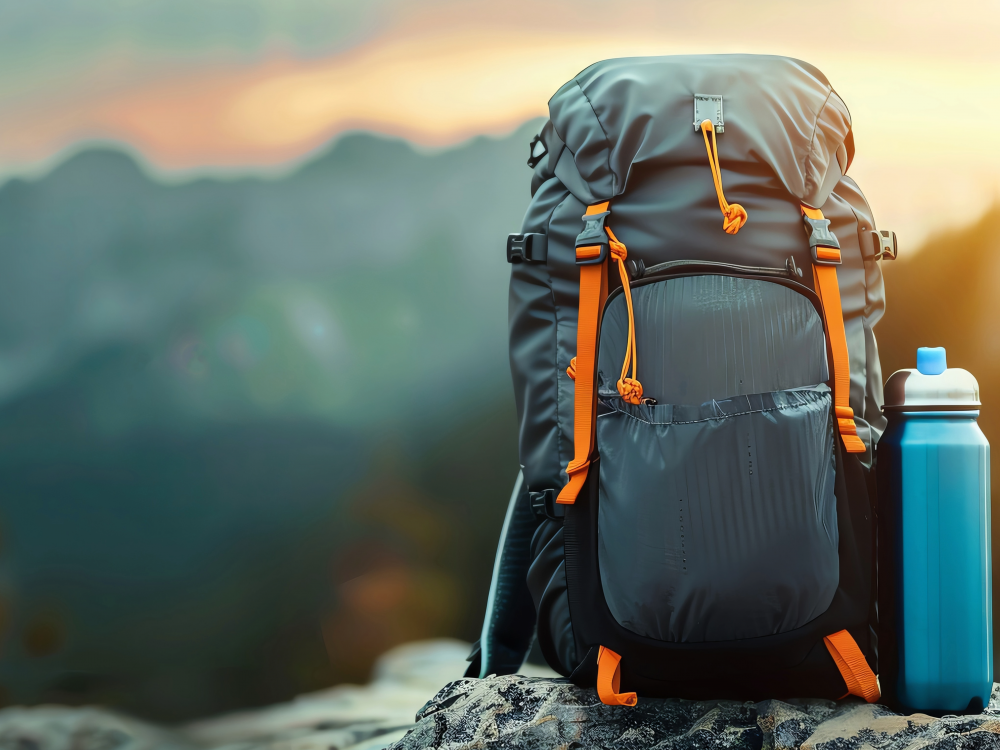
- Rucksack (25-35L): A comfortable, supportive pack with a rain cover.
- Trekking Poles: Useful for stability, especially on steep or uneven terrain.
- Sunscreen & Sunglasses: Yes, even in the UK!
- Rubbish Bag: Leave no trace—pack out what you pack in.
Seasonal Considerations
- Winter Walking Gear: Crampons, ice axes, and extra thermal layers for snowy or icy conditions.
- Insect Repellent: Particularly in Scotland during midge season.
Final Thoughts
Being well-prepared for hillwalking in the UK can make the difference between a memorable adventure or a challenging day in the mountains. Always check the weather forecast, inform someone of your route, and take all of your litter home.
With this ultimate hillwalking equipment checklist, you'll be ready to tackle the UK's most beautiful and challenging trails safely and confidently.
About the author
Matt Cooper is the Founder of The Mountaineering Company and a passionate advocate for enhancing mountain safety and empowering people to enjoy bigger and safer mountain adventures. He is a fully qualified Mountaineering Instructor, certified Summer and Winter Mountain Leader, and an active member of Mountain Rescue.
Click here to view our Mountain Skills Courses in North Wales
you may also be interested in...
- View All
- Climbing
- Climbing Skills
- Expedition Reports
- Expeditions
- Gear Review
- Gear Reviews
- Isle of Skye
- Mountain Running
- Mountain Skills
- News
- Newsletter
- Reviews
- Running Skills
- Skills
- Tech Tips
- Trek Reports
- Walks
- Winter
- Winter Climbing
- Winter Walking
- A coffee addicts guide to making the perfect brew in the mountains.
- West Coast Winter Adventures 2019
- A Record-Breaking Spring for The Mountaineering Company in North Wales
- Trek Summary: Jbel Toubkal and High Atlas Adventure June 2025
- ZOLEO Satellite Communicator Review: The Smart Choice for Off-Grid Messaging
- From Trail to Summit: The Essential Headtorch Guide for Hikers and Climbers