Tryfan North Ridge vs South Ridge: Which Scramble Is Right for You?
Tryfan is one of the most iconic scrambling mountains in the UK. Rising abruptly above the Ogwen Valley, it offers sustained hands-on climbing and an adventurous line directly to the summit. The classic way to experience the mountain is to ascend via the North Ridge and descend via the South Ridge, but the South Ridge ascent is also a great way to tackle this amazing mountain.
We’ve compiled all the questions our clients ask most often into this article.
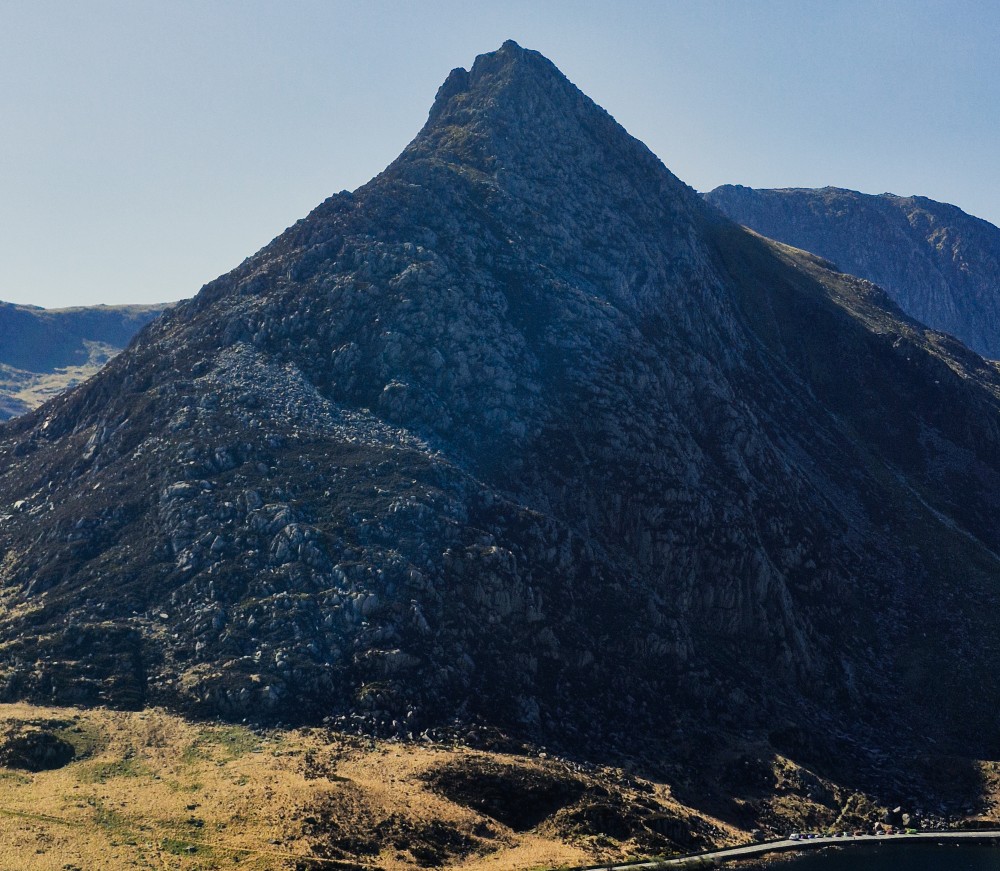
North Ridge (Grade 1 Scramble)
The North Ridge is widely regarded as one of the finest Grade 1 scrambles in Britain. Starting close to Llyn Ogwen, the route climbs steeply over a complex spine of shattered rock, towers, and gullies before reaching the summit plateau and the famous stones of Adam and Eve.
Unlike many scrambles, the North Ridge does not follow a single obvious line. Instead, it presents a maze of possible routes weaving around pinnacles such as The Cannon Stone. In clear weather, the correct line generally keeps close to the crest of the ridge, favouring solid rock and avoiding loose gullies on either side.
How difficult is Tryfan North Ridge?
Navigation on the North Ridge is the main difficulty. The terrain constantly splits into multiple options—some straightforward scrambling, others leading into steeper or more exposed ground. It is easy to drift too far left or right, particularly in mist. You can scramble the North Ridge multiple times and rarely stick to the same route unless you know it well.
Common issues include:
- Entering steep gullies on the east or west side of the ridge
- Being lured onto harder rock steps beyond Grade 1 difficulty
- Descending down the North Ridge and going “Off Piste”
- Not giving it enough time and getting caught out in the fading light.
Because the ridge is so broken and complex, even experienced hillwalkers can find themselves off route without realising it.
North Ridge Guided Scrambling Events Here
When is the best time of year to scramble Tryfan North Ridge?
There is no perfect time to scramble Tryfan, but late spring and summer generally provide the best chance of dry rock and good visibility. The longer daylight hours are also a significant advantage, as route finding can be challenging and parties occasionally become benighted on the mountain.
Is Tryfan dangerous, and why do people get into trouble?
The North Ridge is frequently attended by Ogwen Valley Mountain Rescue Organisation throughout the year. Many callouts are to rescue stuck walkers on steep ground; a small number are serious accidents. Several factors contribute to this:
- Route-finding mistakes leading to technical ground
- Wet rock and polished holds, which increase the chance of slips
- Rapidly changing weather and reduced visibility.
Many rescues involve walkers who are comfortable on paths but underestimate the sustained scrambling and exposure found on the ridge. In poor visibility, navigation becomes significantly more challenging, and the risk of encountering hazardous terrain increases.
It’s also common for people to descend the North Ridge and attempt to shortcut by heading directly toward their cars, which are often visible from the ridge. This can be very dangerous, as it leads onto much steeper terrain, with large gullies and cliffs at the base that can easily catch unwary walkers.
Mountain Rescue teams are made up of dedicated volunteers who give their time to help those in need. Supporting Ogwen Valley Mountain Rescue Organisation helps fund essential training and equipment year-round – Donate Here.
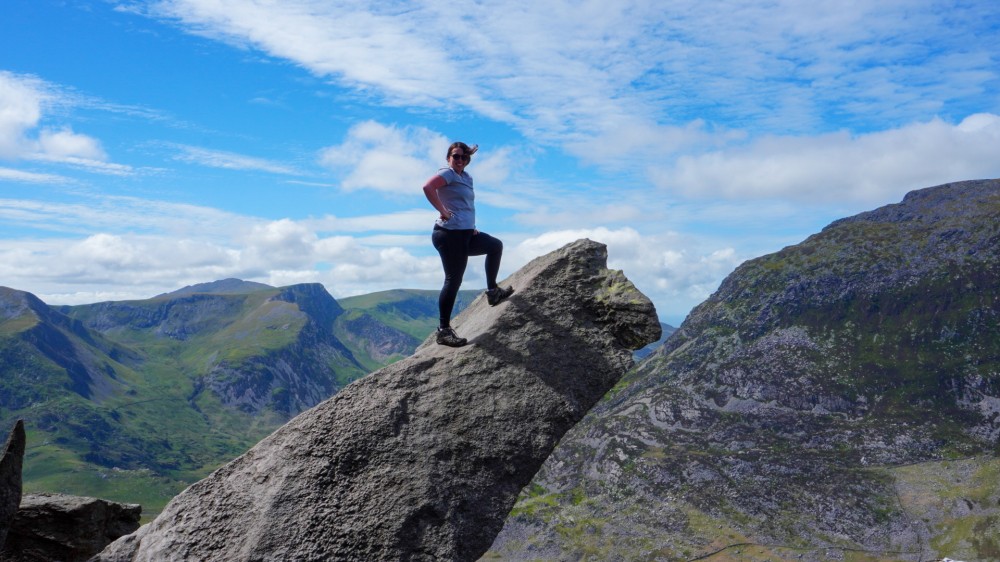
South Ridge (Grade 1 Scramble)
The South Ridge of Tryfan provides an excellent scrambling line that is often overshadowed by the famous North Ridge. In reality, it is a superb route in its own right, offering sustained hands-on scrambling, solid rock, and magnificent views across the Ogwen Valley.
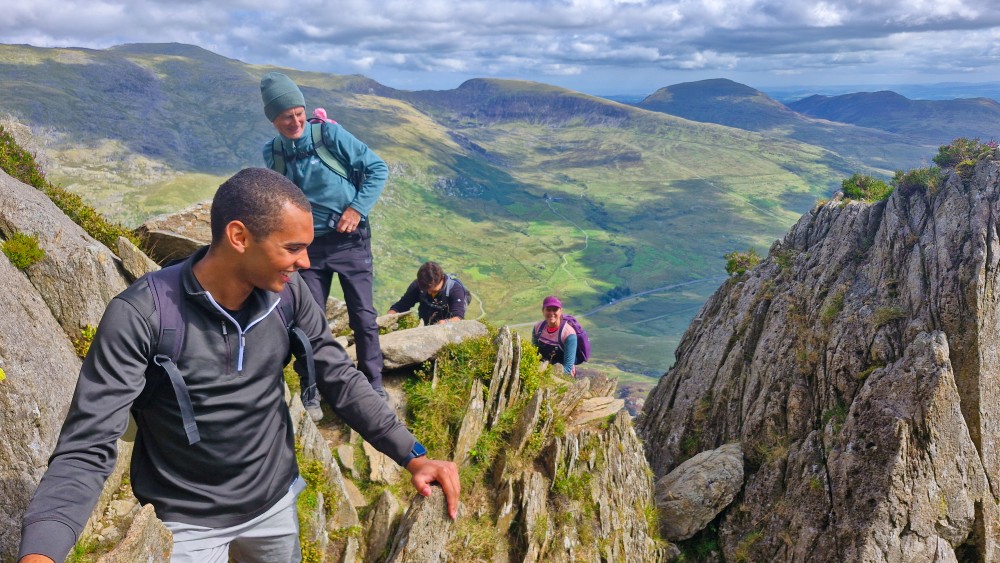
The ridge rises directly from Bwlch Tryfan, the col separating Tryfan from Glyder Fach. From the outset, the character of the terrain is clear: steep, rocky, and immediately requiring the use of hands. The route follows a broken crest of blocks and short rock steps, weaving between pinnacles and slabs while gradually gaining height towards the summit tower. It's often best if you stay just left of the crest for easier scrambling.
How hard is Tryfan South Ridge?
The South Ridge is generally considered Grade 1, though it will feel less sustained and is shorter than the North Ridge, making for a less intimidating option. In bad weather, the South Ridge is still a challenging route to navigate as the steep sides on the left and right sides of the ridge are a maze of broken blocks, which are more clear to follow in dry and clear weather. Bwlch Tryfan can also be very windy as the wind is pinched between the two mountains, so this must also be considered.
Is Tryfan south-ridge best for beginners?
Both routes in this article will need you to have a good fitness level and confidence scrambling, but the South Ridge is the shortest and the least technical of the two routes. It's also slightly easier angle making for a more enjoyable day for those with little scrambling experience.
What is the best descent route from Tryfan?
North Ridge Descent - Tricky in poor visibility and longer than the alternatives. Best used in descent if the weather is clear or you have good route-finding ability. Many of the rescues on Tryfan are attributed to people descending the North Ridge in poor visibility.
South Ridge Descent - A more popular way off the mountain as it has little risk of rockfall and is a shorter and slightly easier descent than the North Ridge. Staying just to the right of the ridge in descent will ensure an easier way down.
West Gully - Another popular option for descent, but it can be tricky to navigate in poor weather and has some risks of rockfall. It's easier scrambling than the North and South Ridges, but care is needed on the loose rock. After around 20-30 mins of downclimbing, the easy path at the base of West Gully leads to the road.
Guided vs Unguided Scrambling
Every year, thousands of people climb Tryfan, and deciding whether to go guided or unguided is a very personal choice.
If you are new to scrambling, lack confidence in exposed terrain, or are unsure of your route-finding ability, joining a guided group is generally the safer and more reassuring option. A qualified guide can provide instruction on handholds and footholds, help with tricky sections, and ensure the route is followed correctly, reducing the risk of getting off-route on the complex North Ridge.
For those with previous scrambling experience, good navigation skills, and confidence on exposed rock, an unguided ascent can be immensely rewarding, offering freedom to move at your own pace. However, it requires careful planning, good weather assessment, and awareness of the challenges that have made the North Ridge a common site for rescues.
Our team guides Tryfan multiple times per week throughout the year and has extensive experience on all the classic scrambles and climbs. Guided trips not only ensure safety but also provide insight into the mountain’s history and geology, and help you build confidence on rock, making the experience richer for both novices and seasoned scramblers.
Check out our Guided North Ridge events here
you may also be interested in...
Blog Category
- View All
- Climbing
- Climbing Skills
- Expedition Reports
- Expeditions
- Gear Review
- Gear Reviews
- Isle of Skye
- Mountain Running
- Mountain Skills
- News
- Newsletter
- Reviews
- Running Skills
- Skills
- Tech Tips
- Trek Reports
- Walks
- Winter
- Winter Climbing
- Winter Walking
- A coffee addicts guide to making the perfect brew in the mountains.
- West Coast Winter Adventures 2019
- A Record-Breaking Spring for The Mountaineering Company in North Wales
- Trek Summary: Jbel Toubkal and High Atlas Adventure June 2025
- ZOLEO Satellite Communicator Review: The Smart Choice for Off-Grid Messaging
- From Trail to Summit: The Essential Headtorch Guide for Hikers and Climbers
- Tryfan North Ridge vs South Ridge: Which Scramble Is Right for You?
- Winter Round-up for The Mountaineering Company 2026