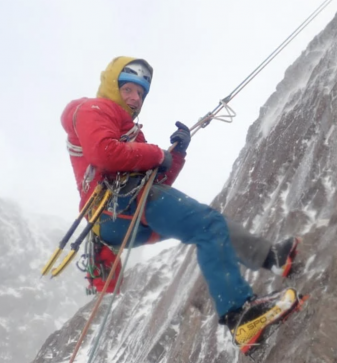
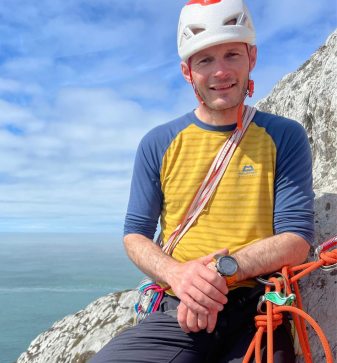
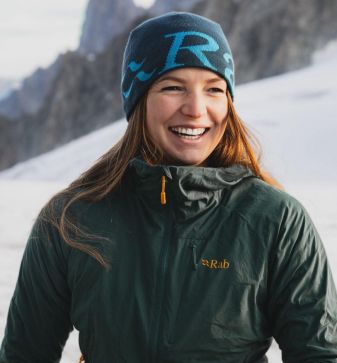
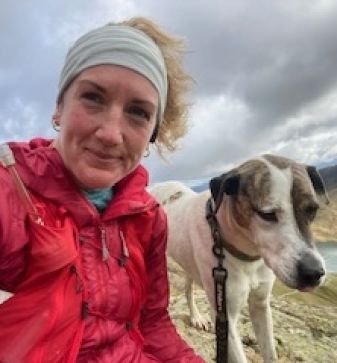
It’s been a wild week in the mountains in Eryi / Snowdonia. Our teams have managed clients in conditions ranging from calm, sunny days to extreme weather, including heavy rain, lightning, and winds of 30–70mph.
As an instructional and guiding business operating in mountainous environments, decision-making is a constant conversation that happens behind the scenes. We rely on WhatsApp groups, operations teams, and senior instructors to maintain a shared understanding of conditions and continually assess risk. This allows us to give our clients a fantastic day out while ensuring we don’t expose them to more risk than is appropriate.
One word that regularly crops up in our approach to risk management is bandwidth. Understanding how bandwidth applies to your own days in the mountains can help you enjoy the outdoors safely for years to come. While slips and trips can happen to anyone, many mountain rescues are avoidable. Better planning and a clearer understanding of the risks you’re exposing yourself to are essential for anyone who loves adventure.
Bandwidth is best described as your mental, physical, and technical capacity to assess risk, make decisions, and respond effectively to changing conditions.
If the weather is good, you’ve chosen an appropriate route, and your team is strong and capable, you’ll likely have plenty of bandwidth available to deal with any challenges that arise during the day.
However, if your chosen route is committing, your partners are operating at their physical or technical limit, and the weather deteriorates, your bandwidth begins to narrow. As a result, your safe options become limited and you’re forced into what we often refer to in the industry as marginal decision-making.
As an adventure business that predominantly operates on steep mountain terrain, often in poor weather, effective decision-making and avoiding too many marginal decisions are key to safer days in the hills. The word safer is important here. No mountain activity is entirely risk-free, and every client has a different appetite for risk. That risk tolerance must also sit comfortably within our own risk management framework.
To help you make better decisions in the mountains, I’ve included a few simple tips below. We use a variety of risk management models in our work, and hopefully these ideas can become useful additions to your own toolbox for planning great days outdoors.
Good Planning Widens Bandwidth
Planning is one of the most important parts of any mountain day. A well-considered plan that takes into account the weather, group ability, clothing, equipment, and objective will help keep your bandwidth wide and leave room to deal with any unexpected issues along the way.
Using resources such as MWIS, the Met Office Mountain Forecast, and Windy can help you develop a clear understanding of the conditions you’re heading into before you leave home.
Flexible Plans, Not Rigid Objectives
No mountain summit is guaranteed. Becoming overly committed to a specific objective is one of the most common contributors to mountain rescue call-outs.
In the past six months alone, Mountain Rescue teams have responded to incidents involving people attempting Crib Goch during storms, tackling Tryfan in thick mist, and heading onto Ben Nevis in winter conditions without the necessary equipment. In all of these cases, the conditions were widely forecast and publicly available, but commitment to the objective overrode good decision-making and ultimately led to challenging rescues.
Always be prepared to change your plans. The mountain will still be there another day.
Consider Everyone in Your Group
Does everyone in your group understand the plan? Do they know the level of difficulty involved? Are they physically fit enough and technically capable of completing the day safely?
If the answer to any of these questions is no, you’re likely setting yourself up for a difficult day.
Include everyone in the planning process and choose objectives that are challenging, rewarding, and appropriate for the least experienced member of the group. A successful mountain day is one where everyone enjoys the experience and returns safely, not simply one where the objective is achieved.
Investing in Skills Creates More Bandwidth
One of the most effective ways to increase your bandwidth in the mountains is through targeted training and structured learning. While experience is invaluable, experience combined with professional instruction allows you to develop the skills, judgement, and confidence needed to make better decisions when conditions become challenging.
The mountains have an incredible way of teaching us lessons in humility, judgment, and adaptability. While we can never remove all of the risks that come with adventure, we can make better decisions that give us more options when things don't go to plan. By understanding your bandwidth, planning thoroughly, staying flexible, and considering the needs of everyone in your group, you'll not only reduce risk but also increase your chances of having memorable and rewarding days in the hills.
About the Author
Matt Cooper is the Founder of The Mountaineering Company and a volunteer member of Ogwen Valley Mountain Rescue Organisation (OVMRO). Having spent thousands of days working, climbing, and guiding in the mountains of the UK and abroad, Matt is passionate about helping people develop the skills, confidence, and judgement needed to enjoy the outdoors safely.
Matt is a qualified Mountaineering Instructor, Winter Mountain Leader and member of The Association of Mountaineering Instructors (AMI)
you may also be interested in...
Blog Category
- View All
- Climbing
- Climbing Skills
- Expedition Reports
- Expeditions
- Gear Review
- Gear Reviews
- Isle of Skye
- Mountain Running
- Mountain Skills
- News
- Newsletter
- Reviews
- Running Skills
- Skills
- Tech Tips
- Trek Reports
- Walks
- Winter
- Winter Climbing
- Winter Walking
- A coffee addicts guide to making the perfect brew in the mountains.
- West Coast Winter Adventures 2019
- A Record-Breaking Spring for The Mountaineering Company in North Wales
- Trek Summary: Jbel Toubkal and High Atlas Adventure June 2025
- ZOLEO Satellite Communicator Review: The Smart Choice for Off-Grid Messaging
- From Trail to Summit: The Essential Headtorch Guide for Hikers and Climbers
- Tryfan North Ridge vs South Ridge: Which Scramble Is Right for You?
- Winter Round-up for The Mountaineering Company 2026